How to waste time in a meeting
TLDR: Limiting your planning to “We just need to get smart people into a room together” is guaranteed to waste time.
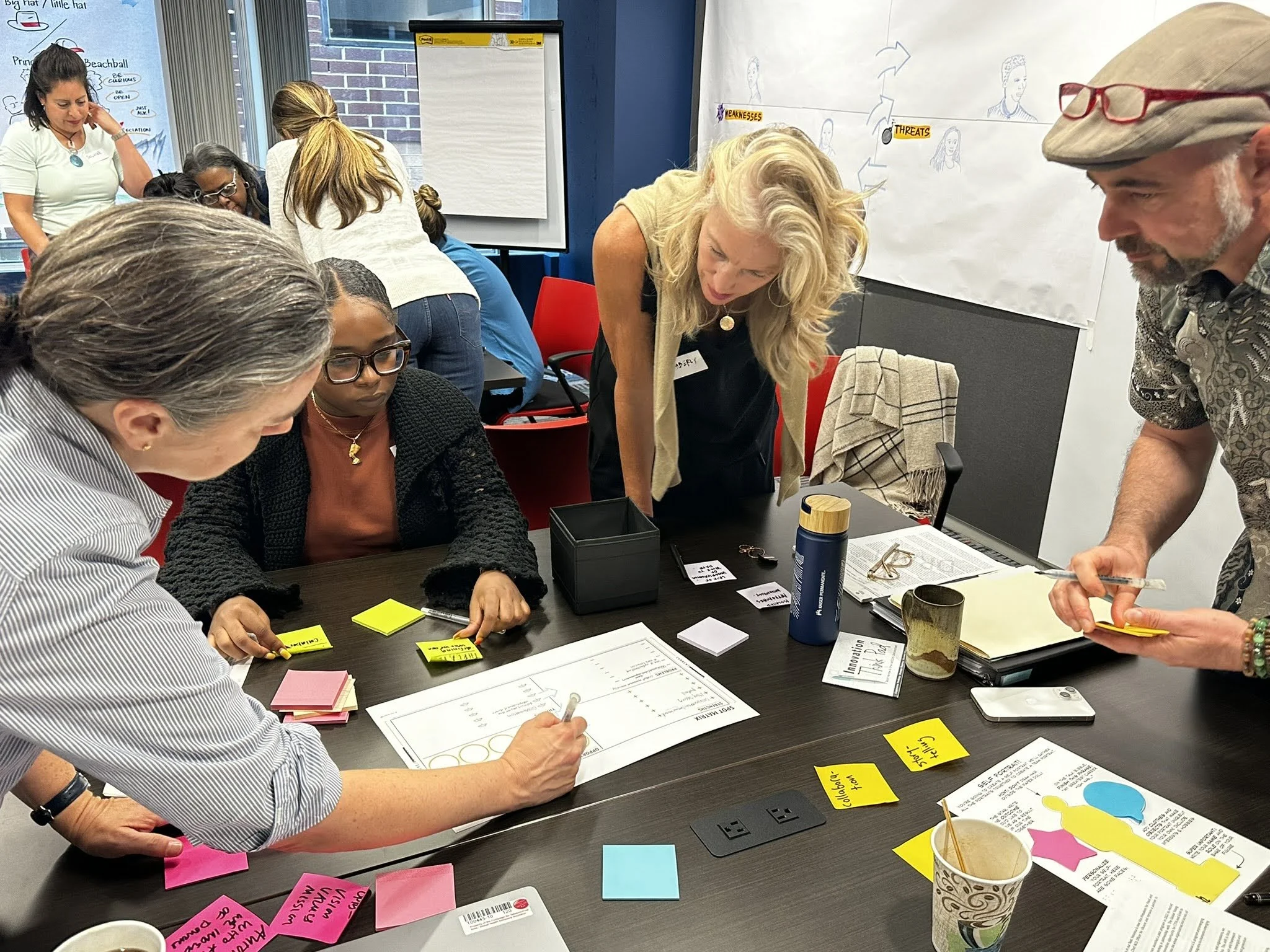
It amazes me how often I get pushback on the time it takes to carefully, thoughtfully design a meeting. I hear, “These people are all professionals,” the implication being that they should automatically know how to work together.
Wrong. Wrong wrong wrong.
First of all, this is a special kind of meeting. If it were an ordinary kind of meeting, the same kind of meeting you always have, we wouldn’t be talking. You want this to be a different kind of meeting, an extraordinary meeting, a meeting that you haven’t had before.
Second, when people show up in a new context, they default to their positions of strength and competence. They think, “Well, I’m the finance guy, so I must’ve been invited to share my financial expertise.” They default to their area of expertise. They default to their preference for how to work with others.
That means they become more embedded in their position and working style. The extraverts get more talkative. The introverts get quieter. The analytics become more analytical. The expressives express more. The amiables try to harmonize more. The drivers get more directive. And the experts throw expertise everywhere.
These dynamics may run counter to your goals for the meeting.
If you want the group to make a clear decision, experts food fighting with their expertise won’t help. If you want the group to provide advice and ideas but NOT make decisions, they have to explicitly understand that success will be achieved NOT by agreement, but when we all understand. And if you want the group to learn or understand something, they need to know that this isn’t up for debate.
Be clear on roles: WHY are you inviting each person to the meeting? Do you want them to…
…be informed and directed?
…be persuaded and motivated?
…share advice and ideas? Or,
…make decisions together?
And that’s a multiple-choice question. PICK ONE. Tell them
HOW you want them to work together. Tell them what you expect from them, and hold them accountable: “Bob, I appreciate you sharing that context. But for this meeting, I really need a decision from you. Where do you stand?” Tell them their role.
If you don’t, the penny you saved by not planning before the meeting will be quickly spent by the pounds you’ll waste during the meeting.