Not perfect, but useful
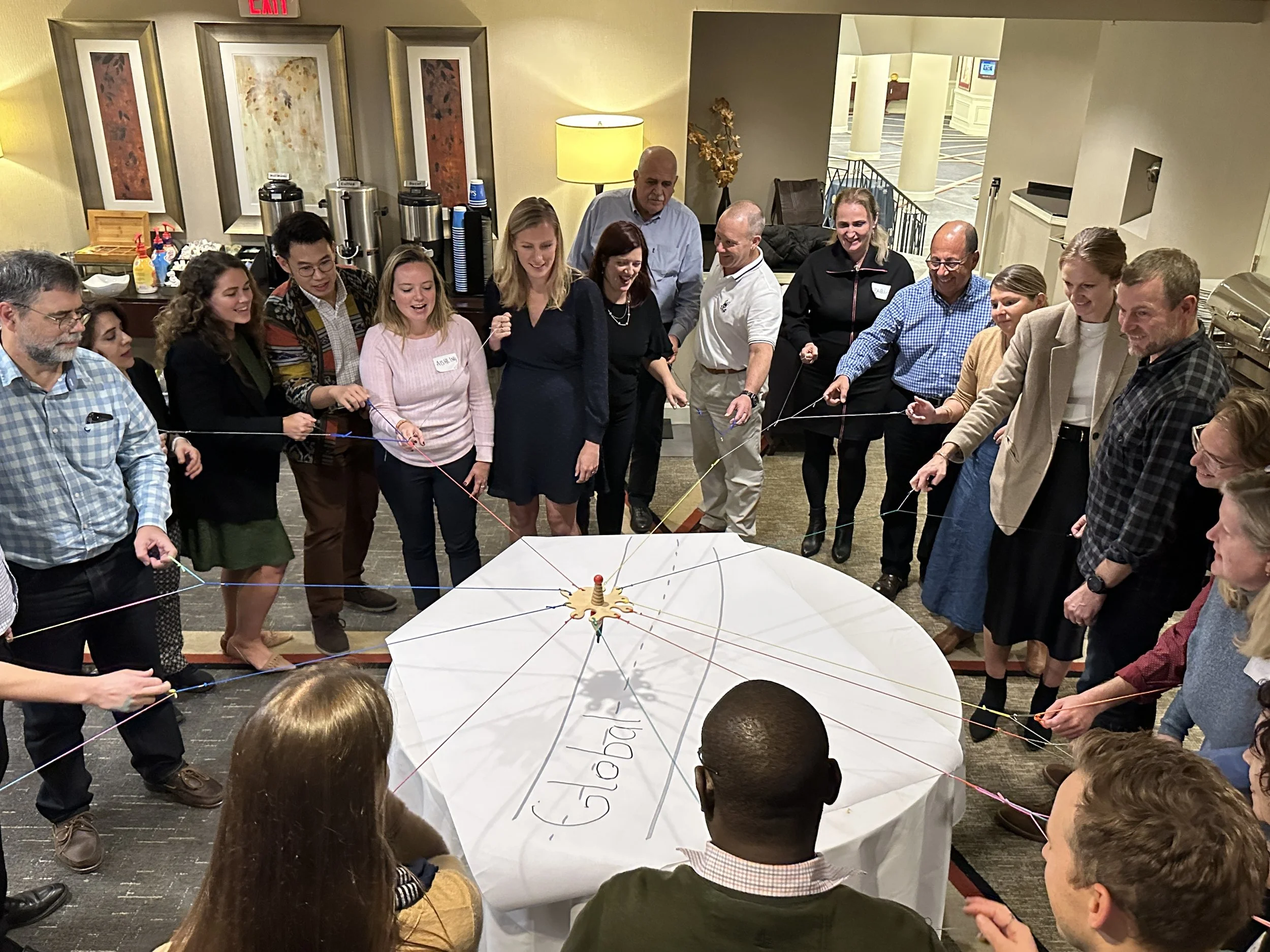
Facilitators use models, frameworks, templates, and metaphors as lenses to understand human behavior. But sometimes, a model sparks resistance.
“This is about us right now, not some theory!”
“This is about our business, not hedgehogs!” https://www.lizardbrain.com/blog/the-hedgehog-and-the-fox
“What about the 1% this DOESN’T capture?”
“This model doesn’t describe every edge case or every situation!”
“This model isn’t perfect!”
Fine.
But is the model useful? Does it shed light on the conversation we’re having right now? Does it provide insight? Does it give us an objective lens we can use to understand the dynamics in the room? As a map, does it describe the territory we’re in?
Maps aren’t perfect, by the way. If they were, they'd be useless. https://www.lizardbrain.com/blog/the-map-that-destroyed-a-kingdom?rq=perfect%20map
“All models are wrong, but some are useful.”
George E. P. Box, statistician
My car isn’t perfect. It’s expensive. It gets stuck in traffic. It needs gas and oil and maintenance. It requires constant attention while I’m using it. But it’s useful.
Bonus round: the root cause of resistance to models is a logical fallacy called “analogy blindness,” where someone refuses to see or misunderstands analogical reasoning altogether. They incorrectly believe an analogy implies total equivalence. They reject the comparison based on surface-level flaws, ignoring the valid, underlying principle being explained.
If you’re sensing that your team’s dialogue and discourse is getting stuck, let’s talk. https://calendly.com/brian-lizardbrain/45-min-discovery-call